
Building materials and indoor air pollution are critical factors to consider when making decisions about constructing or renovating a home. Avoiding short and long-term health risks for you and your family when choosing building materials for your next remodeling project or new home is necessary.
Although I am an experienced carpenter and general contractor, I am not a health expert on indoor air pollution. Indoor air pollution can be 2-5 times greater than outdoor air pollution, according to the EPA. I have looked into what building materials should be avoided if you’re trying to lower indoor air pollution.
The first product that you want to avoid is formaldehyde, which is a naturally occurring substance that is composed of carbon, hydrogen, and oxygen. The problem is that formaldehyde is used by manufacturers in a lot of building materials. Some of the building materials that I found online include some OSB, MDF, Paints, and inexpensive cabinetry.
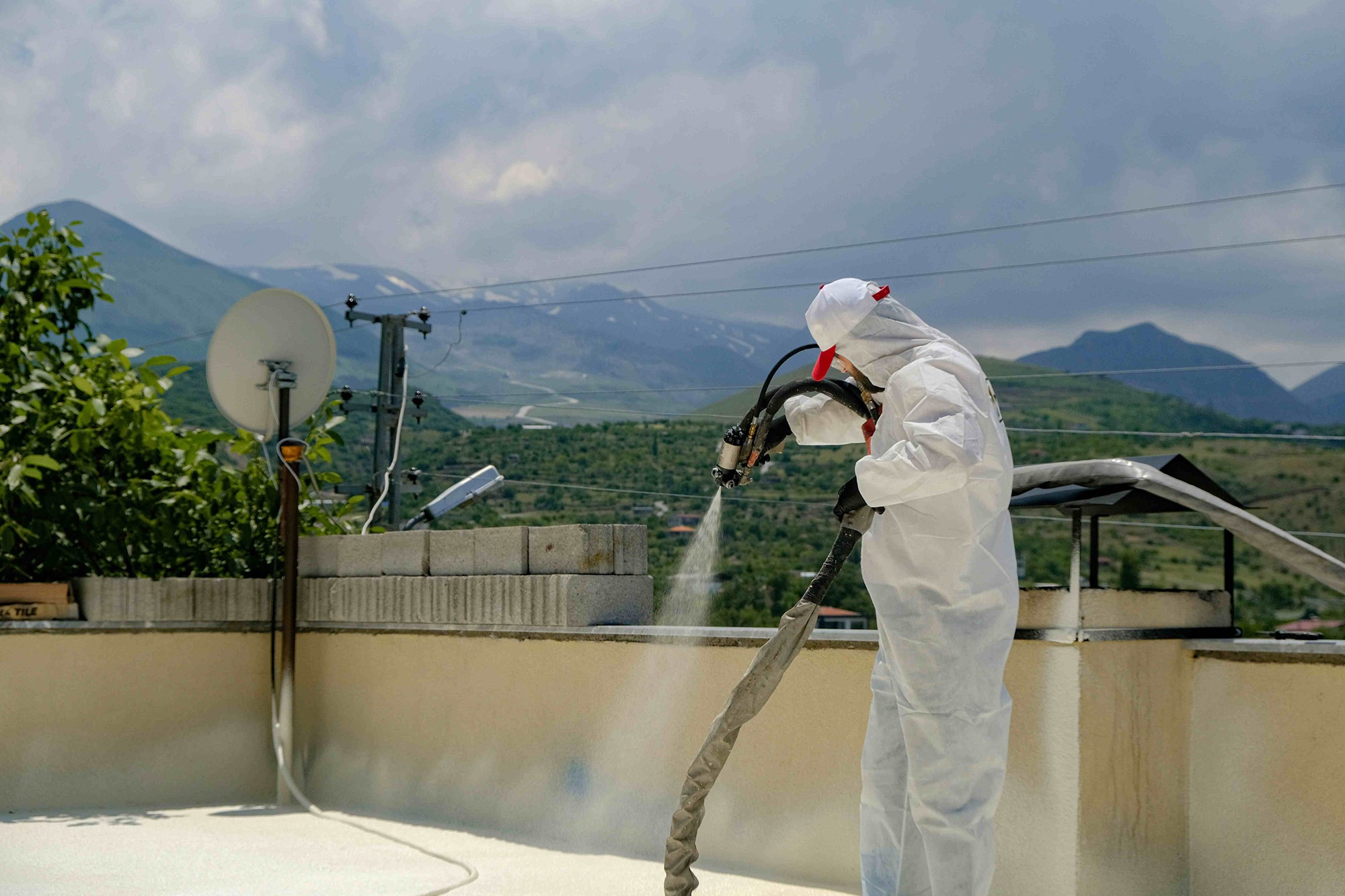
When it comes to building materials and indoor air pollution, the second building material that I am aware of that can raise indoor air pollution is spray foam, which has been a popular trend in the last decade in the construction industry.
“Spray foam insulation consists of a mix of toxic chemicals, which can release VOCs (volatile organic compounds) and create poor indoor air quality in your home, especially if the chemicals are not combined properly, if it’s not applied at the right temperature, or if it’s not properly installed,” according to Google.
VOCs are man-made chemicals with high vapor pressure and low water solubility. VOCs are not good for your overall health and can, in some cases, cause death. There are alternatives to spray foam, and my recommendation is to search for these alternatives.
The third item to be aware of regarding building materials and indoor air pollution is paints and their levels of VOCs. Unfortunately, even low-VOC paints still emit VOC gases. To lower your exposure to VOCs, it’s recommended that all finishes that are not being painted be covered in plastic to prevent VOCs from being absorbed into these finishes. I hope that this blog is helpful when deciding on what building materials to use on your next remodeling project.
